




Learn

Daily Supplement Packs vs a Cabinet of Bottles: Is a Pack Worth It?
Open the average health-conscious person's kitchen cabinet and you'll find the same scene: eight to twelve bottles, some half full, a few expired, one you bought after a podcast and never opened. According to CDC survey data, nearly 58% of...
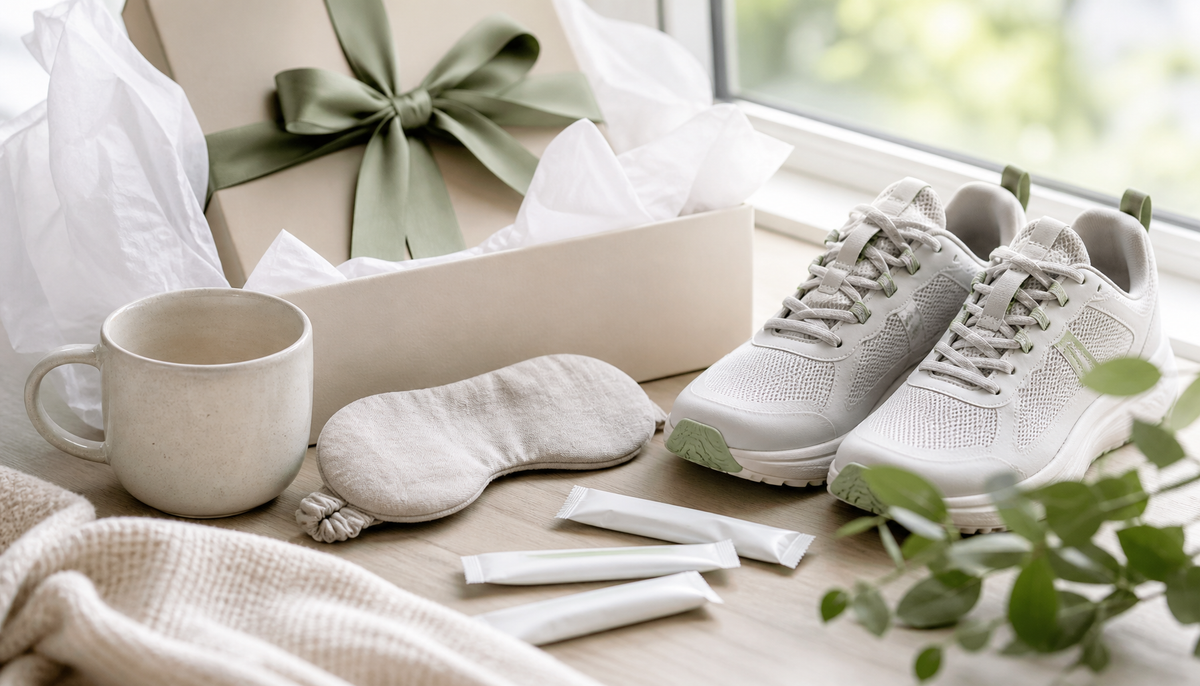
The Evidence-Based Wellness Gift Guide (2026)
Most wellness gifts end up in a drawer. The jade roller, the 14-day detox tea, the gadget that needs its own app: well meant, used twice. Better gifts tend to share one thing. They make a habit the person already...
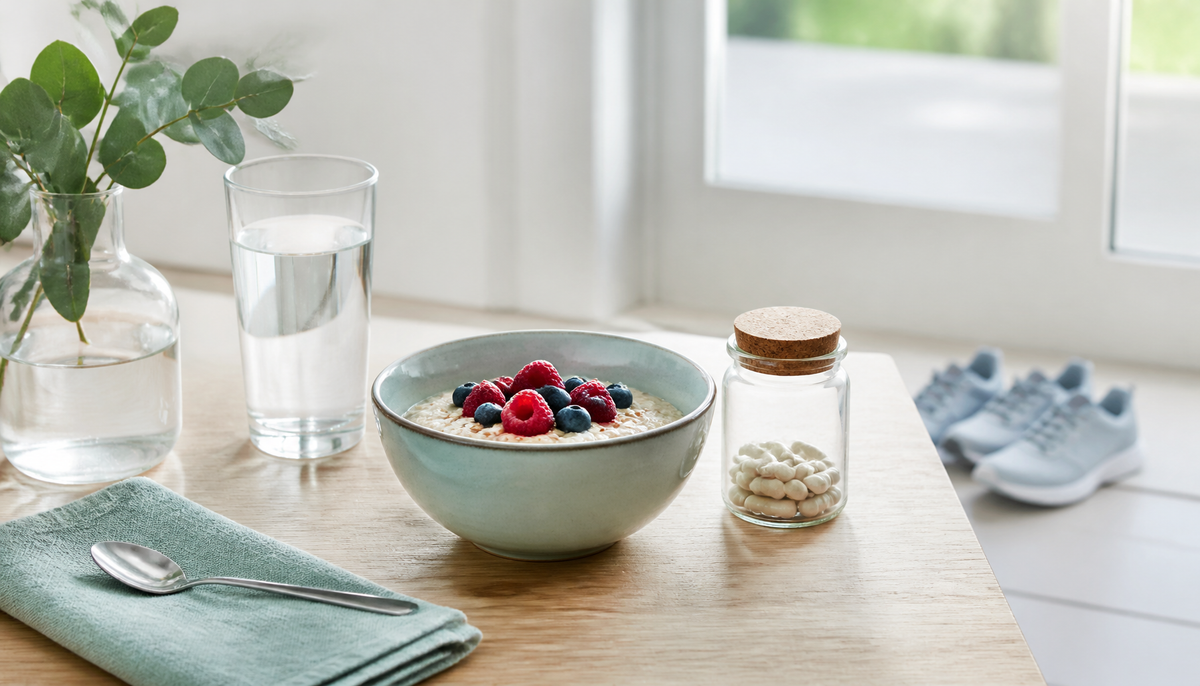
The Case for Boring Wellness: Why Simple Beats Extreme
Every January, the same pattern plays out. Someone decides this is the year: a 5 a.m. alarm, a cold plunge, a 72-hour fast, a twelve-supplement stack, and a new workout program six days a week. By March, most of it...

The Travel Wellness Kit: Maintaining Routines on the Road
You fly out at 6:40 a.m., sit through a full day of meetings, and land home close to midnight. The next morning, the routine you've kept for six months — the walk, the quiet breakfast, the supplement with your coffee...

Why Consistency Beats Intensity for Long-Term Health
Every January, gyms fill up. By mid-February, most of the new members are gone. The programs weren't wrong — five days a week of structured training genuinely works. The problem is that almost nobody is still running that program in...

Gut Health Beyond Probiotics: Everyday Habits That Support Your Microbiome
You eat well. You take a probiotic. But your digestion still feels off more days than you'd like. The missing piece usually isn't another capsule — it's the daily habits that determine whether your gut microbiome actually thrives or just...
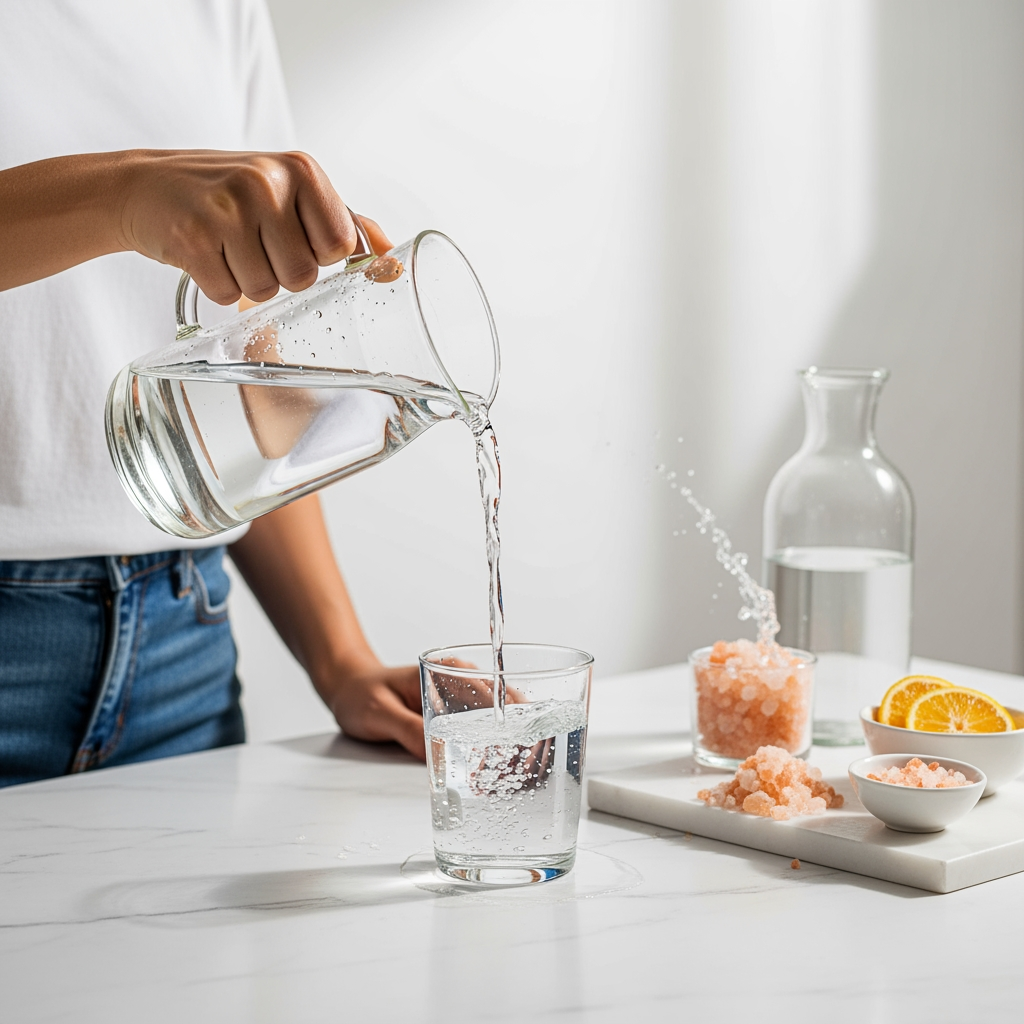
Hydration and Performance: Beyond 'Drink More Water'
You've heard it a thousand times: drink more water. It's the most generic health advice on the planet — and it's not wrong, exactly. But if you're active, if you train hard, if you spend time in heat, or if...

Building a Morning Routine That Supports Your Biology
Key Takeaways Your body follows a natural cortisol awakening response (CAR) within 30–45 minutes of waking, which supports alertness and daytime energy. Consistent wake times and morning light exposure are among the most impactful habits for supporting circadian rhythm and...